In a quarter marked by industry slowdowns and unexpected hurdles, our Design Coordination team turned challenges into opportunities to streamline delivery. This article offers more than a recap; it presents a solid recipe to save around 10% of the total project cost.
2026 began with more optimism than 2025 but has yet to show its true potential. On our previous trip to visit partners last year, we sensed the past months had been long and challenging. Only the data center ecosystem was receiving some opportunities. Still, expectations for the New Year brought mild optimism, foreseeing a slight rise in the global and domestic economy that would finally give the construction industry a rest.
However, the domestic economy has been affected by the war. Rising oil costs add pressure to already increasing prices, affecting the entire logistics chain. If the construction industry was already struggling, this situation has brought it to a halt. A cautious pause seems to be the general attitude among major players. Some projects are still ongoing, but overall, the slow pace is clear.
Every challenge presents opportunities, and in such situations, steady, effective solutions can transform the construction industry. When budgets are tight and schedules are pressured, a strategic approach to eliminating inefficiencies is an ace up one's sleeve for consultants, general contractors, developers, and other stakeholders. These challenges provide an opportunity for lean solutions like design coordination strategies to become effective risk mitigation measures.
Applying design coordination strategies such as technical reviews, structured clash detection, and model and constructability reviews from the early stages can mitigate issues by identifying and solving them digitally rather than on-site. This alone can avoid costly interventions, trades that cannot execute as planned, and prevent endless meetings, conflicts, stretched schedules, RFIs, and back-and-forth communication, saving around 10% of the total project cost.
We have seen this first-hand with multiple projects. For the JPI’s project, Jefferson Inglewood, we provided the developer with a technical review, defining critical areas strategically, modeling specific systems, carrying out clash detection, and providing managerial reporting to enable data-driven decision-making.
The result was a project delivered and executed with less friction and a steady construction pace. This shows the power of efficient processes in driving projects forward. We also validated this on-site in direct conversation with the General Superintendent.
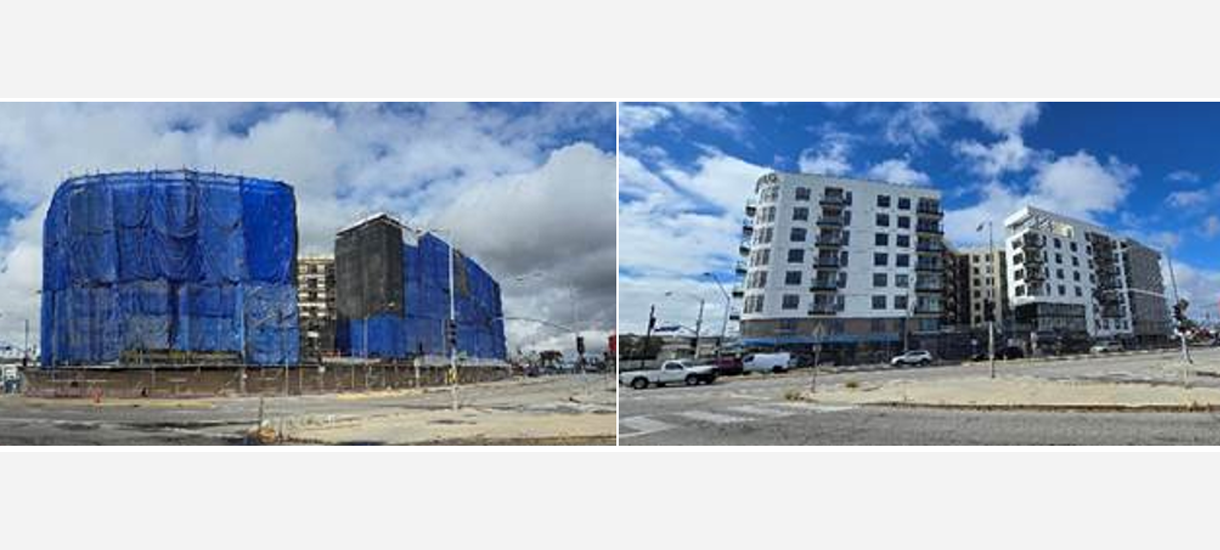
The impact is clear. The better the design coordination strategy, the fewer conflicts and stresses the project faces. This inevitably leads to better outcomes and savings in both time and budget.
Do you have a brand-new project that you’d like to take to the next level? Or even an ongoing one? Let's connect and discuss how we can start shaping the future of design coordination today.

