Top local landlords shared their strategies for this evolving California market at a breakfast hosted by Magbit Professionals in Real Estate. Here is our recap.
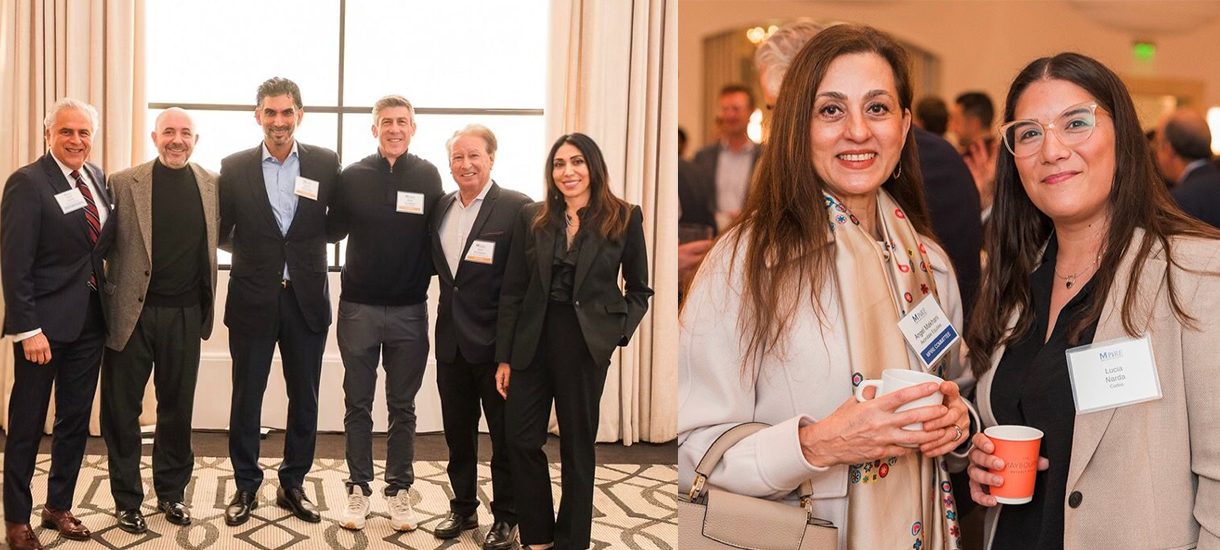
The retail landscape in California has unique features and demands specific strategies for success. Mark Tronstein (Andell Holdings), David Mirharooni (Brickstar Capital), and John Bendheim (Bendheim Enterprises, Inc.) explored key factors to consider in this panel moderated by Houman Mahboudi (CBRE). We summarized into 10 insights:
#1 The landlord matters as much as the location. Beyond foot traffic and macroeconomic factors, retailers are prioritizing who they partner with, looking for landlords whose vision, flexibility, and management style support long-term success.
#2 Strong retail performance starts with long-term thinking. Owners who invest in lasting relationships, understand tenant needs, and carefully curate the mix within a building or shopping center create environments where brands can truly grow.
#3 Tenant-centric ownership is becoming standard. Leading landlords are shifting from rigid, contract-driven decisions to open dialogue, collaboration, and shared growth.
#4 Relationships are built face-to-face. Emotional intelligence, direct conversations, and in-person meetings remain key to building trust, strengthening partnerships, and encouraging tenants to stay and expand.
#5 Brand curation shapes the retail ecosystem. Selecting tenants who enhance the area, engage the community, and operate transparently strengthens reputation and long-term value for all stakeholders.
#6 Flexibility is now a competitive advantage. As retail and food-and-beverage demand increases, landlords offer adaptable deal structures, including full build-outs and creative partnerships, to secure and sustain occupancy.
#7 Luxury retail is evolving post-pandemic. High-end brands and major retailers are negotiating for more incentives, increasing deal complexity. In markets such as Beverly Hills, demand is rising, particularly for wellness-driven concepts like private gyms, spas, yoga studios, and skincare.
#8 Los Angeles presents both challenges and opportunities. Despite ongoing social and investment barriers, major upcoming global events such as the 2026 World Cup and the Olympic Games are driving renewed interest, tourism, and future commercial development.
#9 International tourism remains a pressure point. Its slowdown continues to impact both retail and hospitality, pushing operators to rethink strategies that rely heavily on global footfall.
#10 Digital communities are reshaping physical retail. Social media is now a performance driver. Brands with strong online followings can expand into more affordable locations without losing customers and can create more intentional, experience-led spaces.
At Corbis, our Program Management team streamlines your projects, from renovations to new builds. With expertise in Branded Architecture and Digital Transformation, we deliver seamless roll-outs nationwide.

